Succession Planting: How to Keep Your Vegetable Garden Producing All Summer
- Succession Planting
- Vegetable Garden
- Summer Gardening
For years my garden peaked in early July and then quietly gave up.
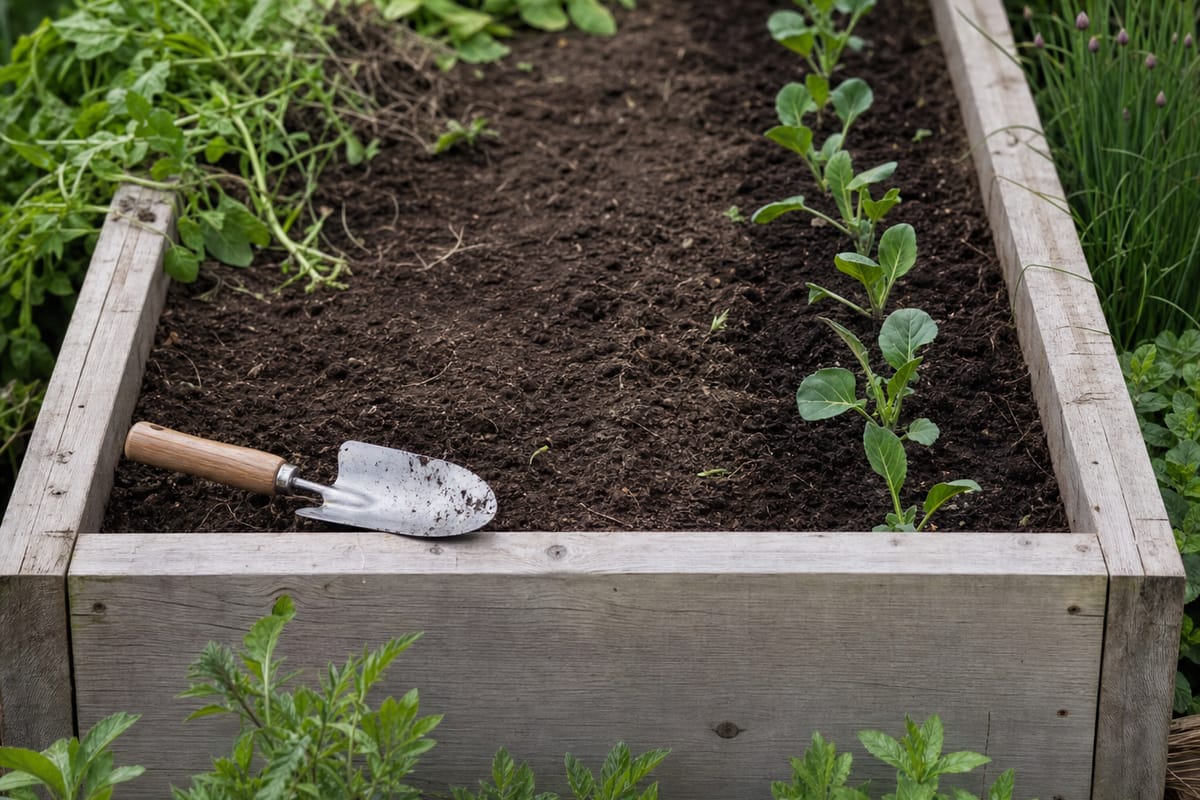
The peas finished and left a bare trellis. The lettuce bolted in the first hot week and went bitter. The bush beans threw one enormous flush, produced more than I could give away in two weeks, and then stopped. By August I had a lot of empty ground and a vague feeling the season was over, and I’d stand there thinking I should probably do something with that.
I didn’t know it had a name. The thing I was failing to do is called succession planting, and by midsummer it’s the highest-value hour you can spend in a vegetable garden.
What it actually involves
Succession planting means staggering what you sow so the ground keeps producing rather than finishing all at once. It shows up in three forms and most gardens want all three.
Staggered sowings of the same crop: instead of planting all your bush beans or lettuce on one day, plant a short row every two or three weeks. You trade one overwhelming glut for a steady trickle you can actually eat.
Replacement planting: the moment a spring crop finishes, pull it and sow something else in that space the same day. Peas, radishes and spinach all vacate their beds while there’s still most of a season left.
Relay planting: start the next crop’s transplants while the current one is still finishing, so the bed is never empty at all.
They all address the same waste. Bare soil in July is a bed that’s decided to stop working while you’re still watering it.
Why midsummer is the moment
Late July and August is when most gardens have gaps. Spring greens have bolted, garlic and onions are lifted, early beans are winding down, and the whole thing looks like it’s heading for autumn.
But in most of the US there are still eight to fourteen weeks of growing season left at that point. That’s enough for a complete second round of fast crops, and it’s the start of the fall garden, which is genuinely the better half of the year for a lot of vegetables.
The question that decides everything is simple arithmetic: how many days until your average first fall frost, and does the next crop’s days-to-maturity fit inside that? A 55-day bean with 70 days left is comfortable. A 90-day anything is not, so pick something else instead of hoping.
Add a week or two of cushion to whatever the seed packet says, because growth slows noticeably as daylight shortens through September. Fall crops run behind their stated times, reliably, and this is the single mistake I still make most often.
What to sow in a midsummer gap
| Crop | Days to maturity | Notes |
|---|---|---|
| Radishes | 25–30 | Fast enough to fit almost anywhere |
| Lettuce and salad greens | 30–50 | Use bolt-resistant varieties in real heat |
| Bush zucchini and summer squash | 40–55 | Fresh plants dodge the vine borer damage slowing older ones |
| Bush beans | 50–60 | The best repeat-sow crop there is |
| Cucumbers | 50–65 | A second sowing often outproduces exhausted spring vines |
| Kale and collards | 50–60 | Better in fall than summer; improves after frost |
| Beets and carrots | 50–70 | Carrots sweeten considerably after a light frost |
Skip main-crop tomatoes, winter squash and pumpkins for a new midsummer sowing. They won’t finish before frost in most regions and you’ll spend three months finding out.
Doing it properly
Pull the spent crop the day it’s done, not three weeks later once you’ve accepted it. A bolted lettuce or a finished pea vine is competing with nothing but your next planting for water and nutrients.
Then refresh the soil, because the crop you just removed spent months taking nutrients out of that exact spot. An inch of compost or a balanced organic fertilizer worked in before you resow makes a real difference, and dropping fresh seed into depleted dirt is how the second round underperforms the first.
Water new sowings more than feels necessary. Summer soil dries out fast, and seed sown into August ground needs far more attention to germinate than the same seed did in cool, damp April.
And keep the interval going. Sow a short row every two or three weeks rather than committing all your remaining space at once. That’s the difference between one more big harvest and dinner from the garden every week until frost.
The hard part is remembering
The concept isn’t difficult. The bookkeeping is, and that’s where it falls apart, because knowing which bed went quiet last week and whether a beet still has time to make it is exactly the sort of thing that evaporates in a busy August.
Garden Pro Planner’s planting calendar is built around your local frost dates, so the countback from frost to sowing date is already done when you’re standing in the garden deciding, and its yield tracking makes it fairly obvious which beds have stopped producing and are ready for their next round.
An empty bed in July isn’t the end of the season. It’s about a third of it still sitting there unused, which is roughly what I wasted every year until somebody told me the term for it.